



















































































































































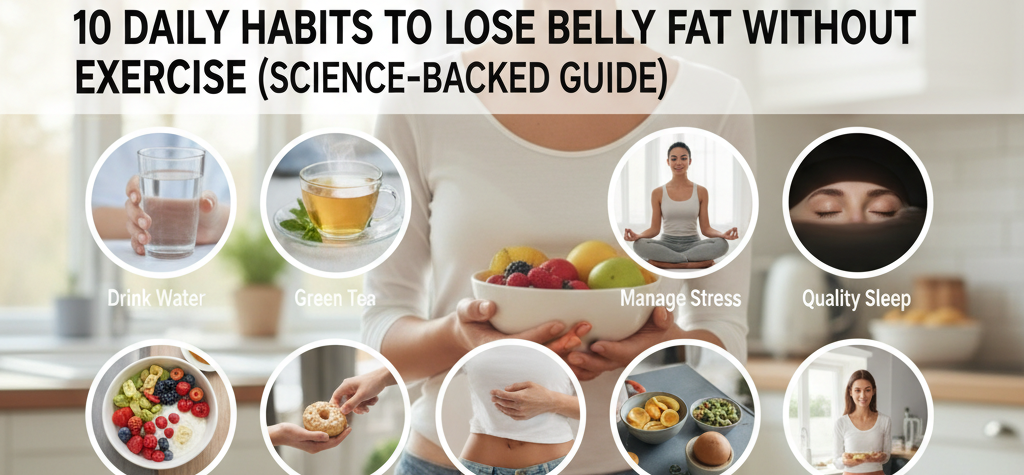
10 Daily Habits to Lose Belly Fat Without Exercise (Science-Backed Guide)
Author
RVLNSV PRASAD
Fact-Checked By
Wellness Research Team
Last Updated
July 2026
Author’s Note
Many people want to lose belly fat but find it difficult to exercise regularly due to hectic schedules, physical constraints, or simply lack of motivation. In my research into healthy weight management, I have discovered that small daily behaviors tend to deliver better long-term results than short-lived diet fads. This guide shares practical, science-backed tactics you can squeeze into your regular life. These practices will not give you quick results, but they can help with healthy weight control and reduce overall body fat, including belly fat, when practiced regularly as part of an overall healthy lifestyle.
Key Takeaways
- Daily habits to lose belly fat without exercise focus on improving nutrition, sleep, hydration, and other lifestyle aspects that support overall fat loss.
- You can’t spot-reduce fat from a specific location of the body, but healthy practices can help reduce overall body fat over time.
- Getting enough protein and fiber might help you feel full and make it simpler to manage a balanced calorie intake.
- Adequate quality sleep and stress management may help with healthy hormone balance and weight management.
- Small, consistent lifestyle changes are often more sustainable than going on a restrictive diet or looking for a quick-fix solution.
- The key to long-term success is to develop healthy behaviors that you can stick with every day.
Introduction
If you’re looking for daily habits to lose belly fat without exercise, you’re not alone. When a hectic schedule, injury, or other limitations prevent regular workouts, many people are searching for practical ways to improve their health.
Exercise is good for your health in many ways, but it’s not the only thing that affects your body fat. Your daily habits—what you eat, how well you sleep, how you manage stress, and how much water you drink—also affect your weight and health.
It’s also crucial to have realistic expectations. There are many claims online, but there is no way to target belly fat with a particular food, supplement, or behavior. Research indicates that as you lose belly fat, your entire body fat decreases. Eating healthy, sleeping enough, managing stress, and staying in a sustainable calorie deficit all work together to help you lose fat for the long term.
In this guide, you’ll find basic daily habits, backed by current research; learn why they matter; and discover practical ideas you can start implementing today to develop healthier routines and enhance your overall well-being.
Can Daily Habits for Losing Belly Fat Without Exercise Really Work?
Yes – but they work by supporting overall fat loss, not by specifically targeting your stomach.
Genetics, hormones, age, sex, and your general energy balance all play a role in how your body stores fat. If you regularly eat more calories than you burn, the surplus energy is stored as fat, including around your abdomen. By eating healthier and living healthier, you can sustain a moderate calorie deficit over time. This will help you lower your overall body fat.
Another key factor is what is known as visceral fat. Visceral fat covers internal organs, unlike the fat just under your skin. Excess visceral fat has been linked to a higher risk of type 2 diabetes, heart disease, and metabolic syndrome. Healthier lifestyle habits can reduce this risk every day and help regulate weight in a healthy way.
Good sleep, stress management, healthy foods, and steady healthy habits can help regulate hormones that control appetite and fullness. These combined elements allow for sustained healthy eating habits without the need for restrictive diets.
10 Daily Habits to Shed Belly Fat Without Exercise
Science Snapshot
Research clearly indicates that sustainable fat loss requires a combination of a healthy calorie intake, nutritious food choices, adequate sleep, stress management, and regular exercise—not spot reduction or quick fixes.
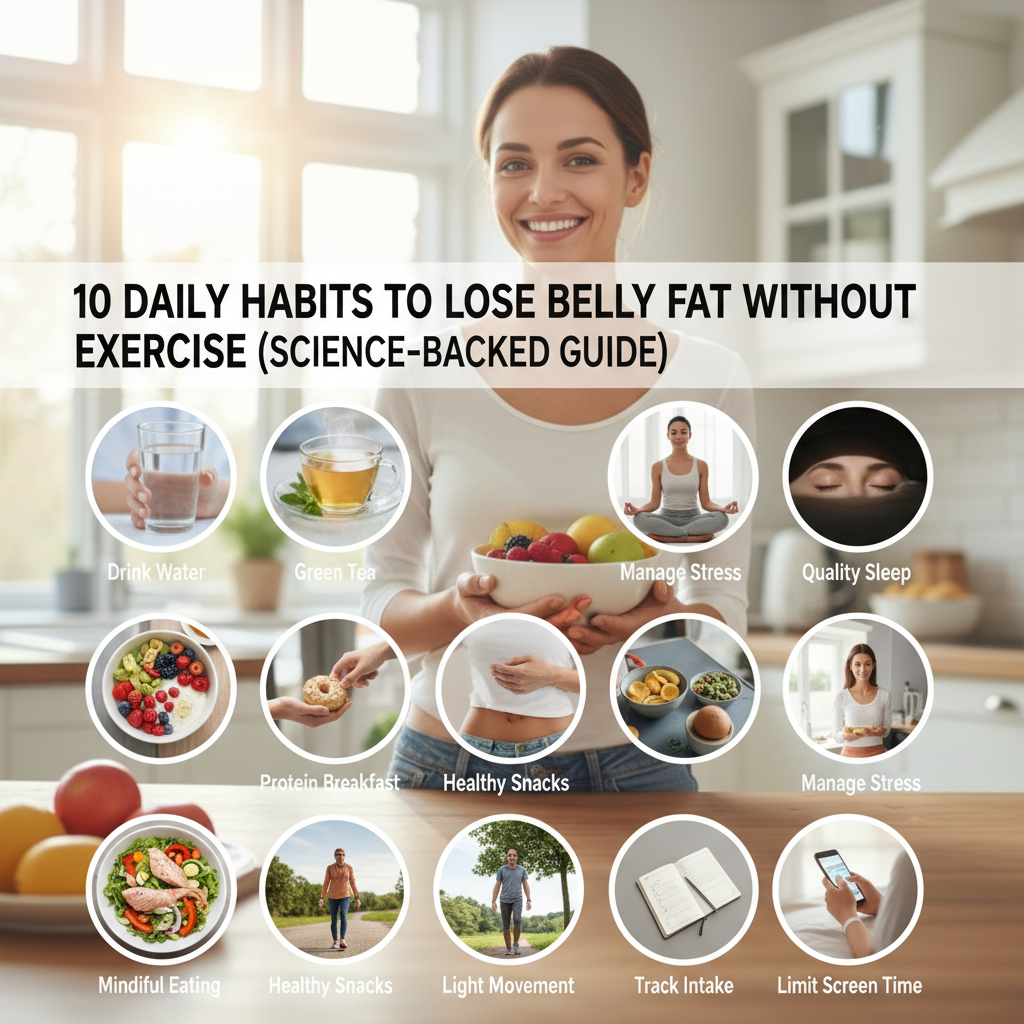
10 Daily Habits to Lose Belly Fat Without Exercise
1. Consume More Protein at Every Meal
Eating more protein is one of the best things you can do to maintain a healthy weight. Protein can help keep you feeling fuller longer than many refined carbohydrates, which can help you avoid excessive snacking during the day.
Protein also helps you preserve muscle mass when you’re trying to lose weight. Maintaining muscle supports a healthy metabolism, so it is vital to keep it.
Good sources of protein:
- Eggs
- Greek yoghurt
- Fish
- Skinless chicken
- Lentils
- Beans
- Tofu
- Cottage cheese
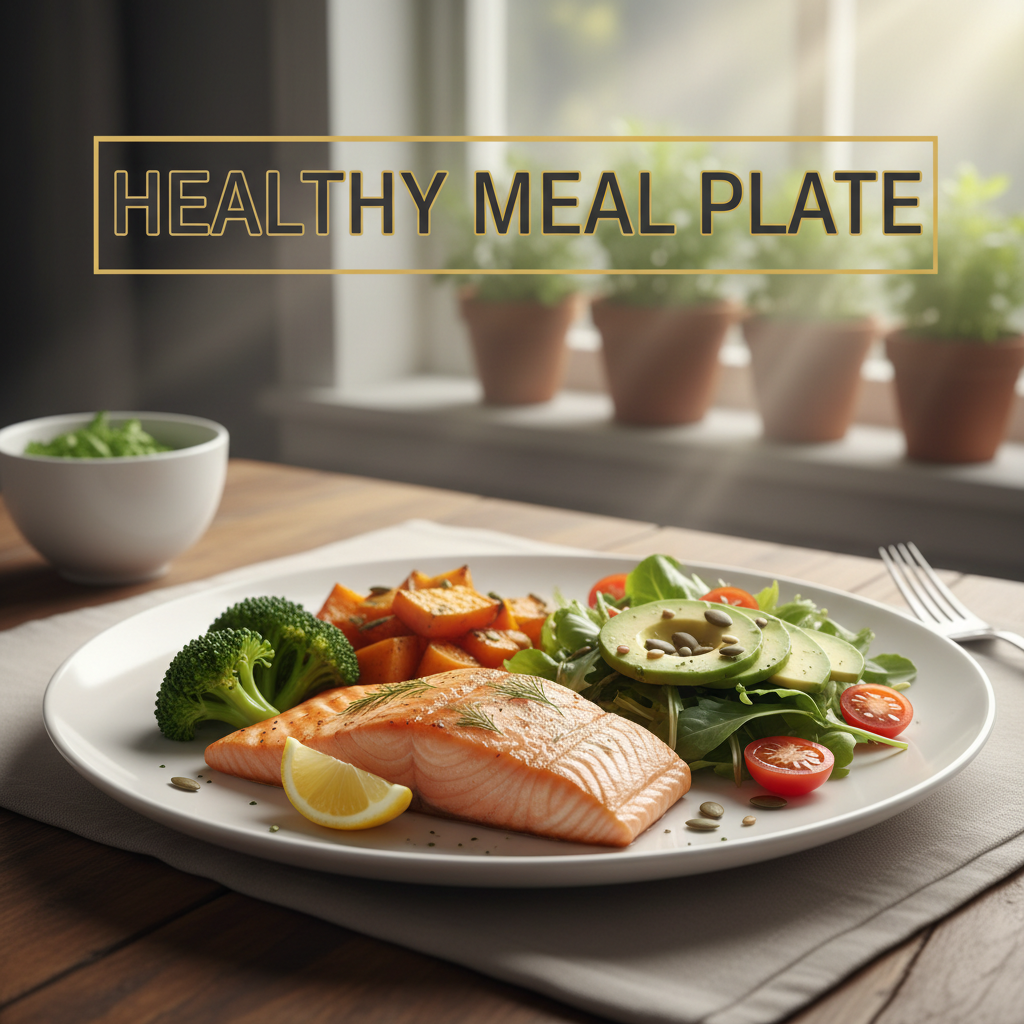
Beginner tip: Add a protein source to your breakfast to help curb hunger later in the day.
Common mistake: Relying largely on heavily processed snacks instead of whole-food protein sources.
2. Increase Your Soluble Fiber Intake
During digestion, foods rich in soluble fiber soak up water and turn into a gel-like material. This slows how fast the stomach empties and can help you feel full after meals.
Many foods that are high in fiber also have important vitamins, minerals, and antioxidants that are beneficial for overall health.
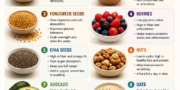
Good sources include:
- Oats
- Apples
- Pears
- Beans
- Lentils
- Chia seeds
- Flaxseeds
- Brussels sprouts
Don’t add all the fiber at once. Instead, add fiber-rich foods gradually and drink enough water to help avoid digestive discomfort.
Beginner tip: Pick fruit or chia seeds for your breakfast, not sugary cereals.
Common mistake: A common problem is adding fiber too fast without adequate water.
3. Reduce Added Sugars and Sugary Beverages
One of the easiest methods to help control weight healthily is to cut out foods and drinks that have lots of added sugar.
Sugar-sweetened beverages, specialty coffees, energy drinks, and many packaged snacks can provide a large number of calories without keeping you full for very long. You may eat fewer calories overall if you replace them with more nutritious foods.
Instead, choose:
- Water.
- Carbonated water without sugar
- Tea without sugar
- Black coffee (Small amounts)
- Whole fruit instead of sweet desserts when possible
You can also use product labels to find hidden sources of added sugar in packaged foods.
Beginner tip: Swap out one sugary drink a day for water or unsweetened tea.
Common mistake: Assuming that “natural” or “low fat” items are automatically low in added sugar.
4. Stay Hydrated Throughout the Day
Adequate hydration is essential for many body functions such as digestion, temperature regulation, and nutrient transfer. Water doesn’t burn belly fat by itself, but drinking water can help you identify the difference between real hunger and mistaking thirst for hunger, limit snacking, and replace high-calorie sugary drinks.
Many people mistake thirst for hunger and may eat when they actually need water.
Here are some easy methods to drink more water:
- Carry a reusable water bottle.
- Have a glass of water before you eat.
- Add a little lemon, cucumber, or mint for taste.
- Opt for water instead of sugary drinks.

Beginner tip: Don’t wait until you’re thirsty to drink. Try drinking throughout the day.
Common Mistake: Replacing water with sugary soft drinks, sweetened coffee drinks, or energy drinks.
5. Prioritize Quality Sleep
Sleep is typically ignored in conversations about healthy weight management, yet it’s vital for regulating hormones that affect hunger and appetite.
Lack of sleep might also make you more likely to crave high-calorie foods and weaken your resolve to stick to a balanced diet. You need good, consistent sleep to recover regular hormones and support overall health.
Good sleep patterns are the following:
- Pick a regular bedtime every night.
- Limit screen time before bed.
- Keep the bedroom cool, quiet, and dark.
- Don’t eat big meals and too much caffeine late at night.
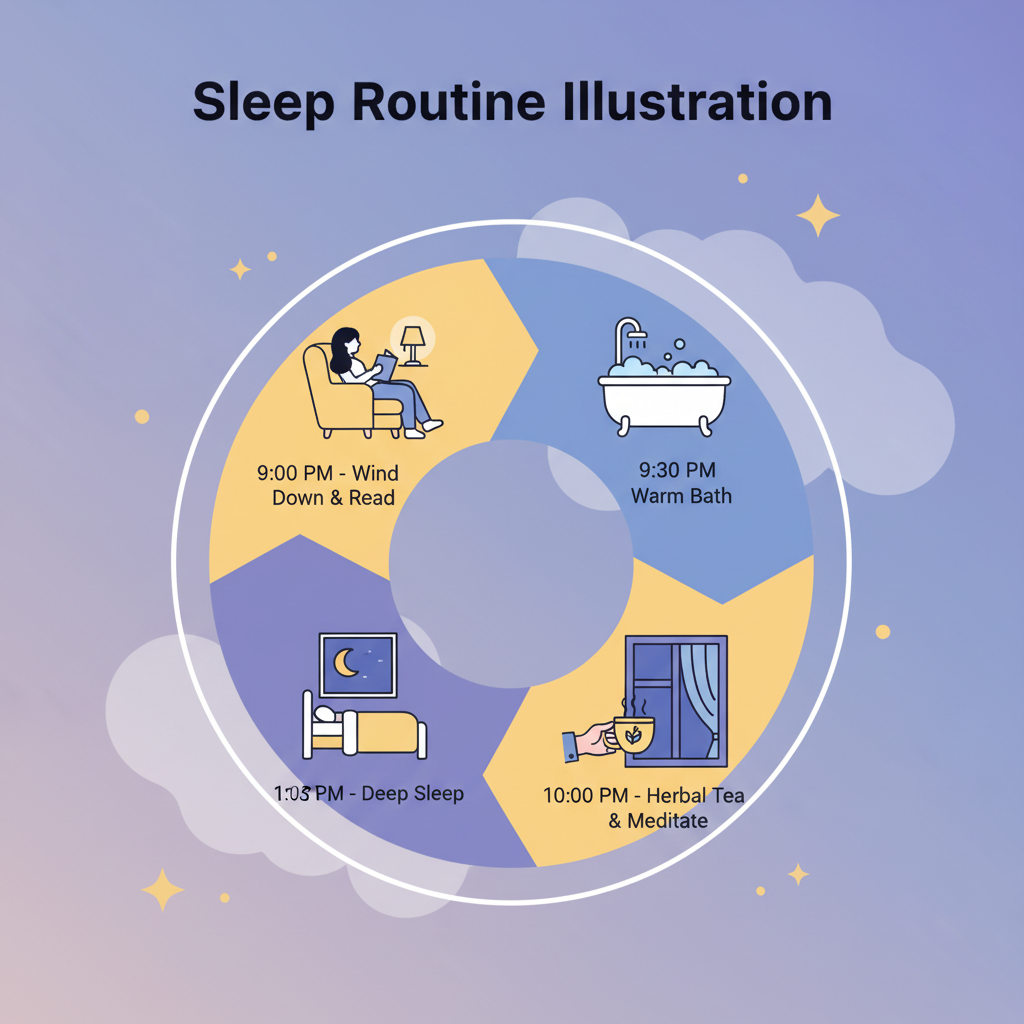
Beginner tip: Begin by tweaking your sleep routine, rather than trying to alter everything at once.
Common mistakes: Staying up late and using caffeine to compensate for lack of sleep.
6. Manage Daily Stress
Stress is not only tough on your mind. It can influence eating habits, sleep quality, and lifestyle choices that support long-term weight management.
Many people turn to comfort foods when under stress and consume more calories than they realize. Learning healthy strategies to cope with stress will help you stay on track with your habits.
Here are some ways to help you cope with stress:
- Deep breathing exercises
- Mindfulness meditation
- Spending time outside.
- Reading a book.
- Talk to friends or family.
- Do something relaxing.
Beginner tip: Begin with 10 minutes of relaxation each day and do anything you enjoy.
Common mistake: Turning to food as the main way to cope with stress or emotions.
7. Eat Mindfully
Mindful eating is paying attention to your food without distractions. Eat slowly and pay attention to your food, hunger, and fullness cues instead of eating fast while watching television or scrolling through your phone.
Eat slowly. It takes time for your brain to recognize fullness; thus, eating more slowly can help you eat less.
Easy mindful eating habits:
- Be seated when you eat.
- Thoroughly chew food.
- Eat slowly.
- Put your fork down between bites.
- Listen to your hunger and fullness cues.
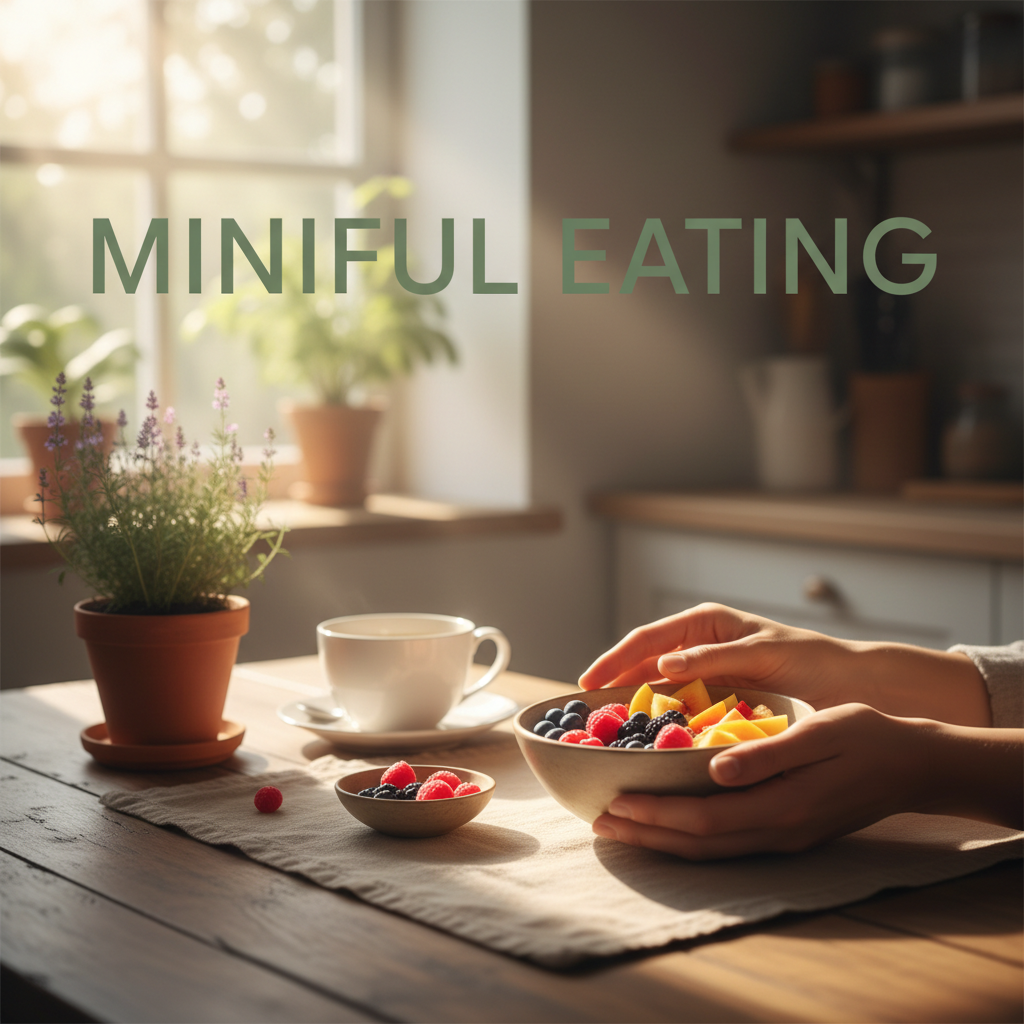
These small changes can strengthen your connection with food and help you manage your weight in a healthy way over time.
Beginner tip: Try to have one meal a day without your phone or TV.
Common mistake: Eating straight out of big packets, so you have no idea how much you’re consuming.
8. Keep an eye on portion sizes
Eating nutritious food is crucial, but so are portion sizes and your overall calorie intake. Even nutritious foods might make you gain weight if you consume a lot.
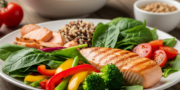
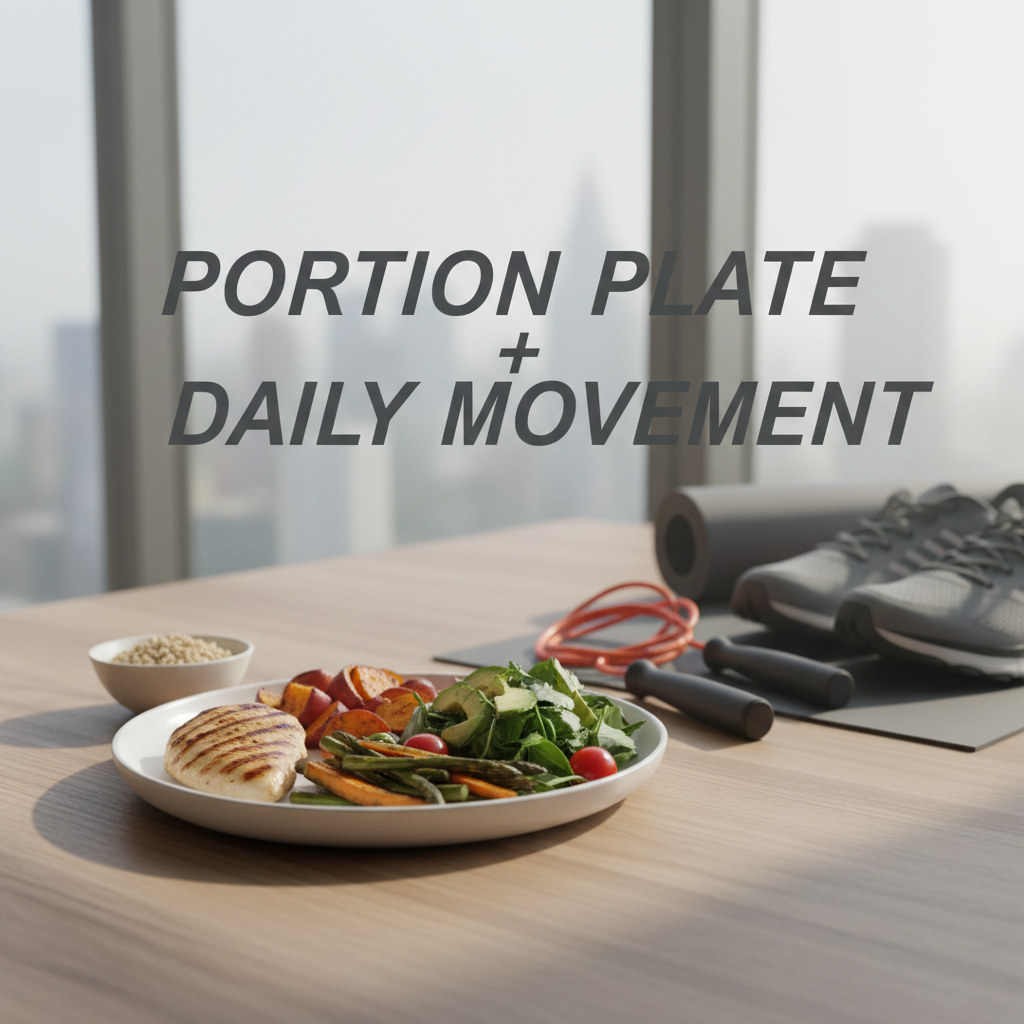
Don’t measure every meal; use simple visual cues. Fill half your plate with veggies, one quarter with lean protein, and the other quarter with whole grains or other high-fiber carbohydrates. Using a smaller plate and eating at the table rather than on it may also help cut down on mindless eating.
Beginner tip: Halfway through your meal, stop and ask yourself if you’re still hungry before going for that second helping.
Common mistake: Eating straight out of large packets. You may lose track of how much you have eaten.
9. Limit Alcohol Consumption
Alcohol can add significant calories to your diet but doesn’t supply many nutrients. It can also lower your inhibitions and make it easier to overeat or make less healthy food choices.
If you do consume alcohol, it is important to do so in moderation. Swapping out some of your alcoholic drinks with water or other non-sweetened drinks will reduce your total calorie consumption and help you maintain your weight in the long term.
Beginner tip: When you attend social occasions, alternate every alcoholic drink with a glass of water.
Common Mistake: It’s easy to forget about the calories in alcoholic drinks and sugary mixers.
10. Keep Moving During the Day
This guide is all about daily habits for losing belly fat without exercise, but it’s still important to stay generally active. Examples of non-exercise activity thermogenesis (NEAT) or moving throughout the day include walking while chatting on the phone, taking the stairs, gardening, cooking, cleaning, or standing up more often.
These activities still help increase your daily calorie expenditure. And over months and years, it can help you maintain a healthy weight.
Simple ways to increase daily movement include:
- Stand up every 30–60 minutes.
- Walk during phone calls.
- Park farther from building entrances.
- Take the stairs whenever possible.
- Stretch during work breaks.
- Do household chores regularly
Tip for beginners: Set an alarm to stand up and move around for a few minutes every hour.
Common mistake: Sitting long periods without movement breaks.
Quick Comparison of Daily Habits
| Daily Habit | Difficulty | Primary Benefit |
|---|---|---|
| Eat More Protein | Easy | Helps increase fullness |
| Increase Soluble Fiber | Easy | Supports appetite control |
| Reduce Added Sugar | Moderate | Lowers unnecessary calorie intake |
| Stay Hydrated | Easy | Helps replace sugary drinks |
| Prioritize Quality Sleep | Moderate | Supports healthy appetite regulation |
| Manage Daily Stress | Moderate | Encourages healthier lifestyle choices |
| Practice Mindful Eating | Easy | Helps reduce overeating |
Which Habit Should You Start With?
| Goal | Best Habit |
|---|---|
| Reduce unnecessary snacking | Eat more protein |
| Feel full longer | Increase soluble fiber |
| Cut excess calories | Reduce added sugar |
| Replace sugary drinks | Stay hydrated |
| Improve appetite regulation | Prioritize quality sleep |
| Reduce emotional eating | Manage daily stress |
| Eat more intentionally | Practice mindful eating |
| Avoid overeating | Control portion sizes |
| Reduce empty calories | Limit alcohol |
| Increase daily calorie burn | Move more throughout the day |
Professional Tips for Better Results
Healthy behaviors that you integrate into your everyday routine are more effective than short-term modifications.
To help you be more successful long-term:
- Plan balanced meals before you become too hungry.
- Have nutritious snacks such as fruit or unsalted nuts on hand.
- Read nutrition labels to find hidden added sugars.
- When possible, try to cook more meals at home.
- Don’t look for immediate results. Set weekly goals that you can realistically attain.
- Success isn’t defined by the scale. It’s defined by healthy habits.
- Give yourself small rewards.
And remember, long-term weight management is about consistency, not perfection.
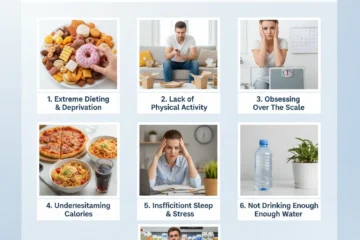
Common Mistakes that can Slow Progress
Such common practices are making it tougher to keep a healthy weight; therefore, avoid the following:
- Following highly restrictive diets can make it harder to keep a healthy weight.
- Skipping meals, then getting too hungry later.
- This can lead to consuming extra calories without realizing it.
- Ignoring portion sizes.
- Expecting overnight results.
- Chronic sleep deprivation.
- Relying on supplements instead of health habits.
- Quitting after occasional setbacks.
It’s more effective to develop durable habits than to make big adjustments in the near term that are difficult to maintain.
Safety Precautions
Most healthy adults can start these lifestyle modifications gradually. However, if you are considering making large changes to your diet, you should visit a healthcare expert if you:
- Have diabetes or another metabolic disease.
- Have kidney disease or other medical conditions requiring a special diet.
- Are pregnant or breastfeeding.
- Have recently undergone major surgery.
- Take medications that affect your appetite or body weight.
- Have a history of an eating disorder.
A licensed dietician or other healthcare professional can help you come up with an individualized strategy to fit your specific health needs.
Frequently Asked Questions
1. Are daily routines to lose abdominal fat without exercise truly effective?
Yes. Daily habits to lose belly fat without exercise can help with total fat loss by improving nutrition, sleep, stress management, and other aspects of your lifestyle. However, belly fat reduction is a part of whole body fat loss, not a single practice.
2. When will I see results?
Everyone responds differently. In a few weeks, some people are noticing beneficial improvements in their eating habits, energy, and overall health. Body fat loss is slow and needs persistence.
3. Can I reduce abdominal fat without going to the gym?
Yes. Eating healthy, sleeping well, managing stress, and being active during the day all help you manage your weight long-term. Exercise has more health advantages, but these small daily routines can still make a difference.
4. What foods help reduce belly fat?
No single food burns belly fat. Rather than just focusing on one “superfood,” it’s better to have an overall balanced eating pattern with lean protein, vegetables, fruits, whole grains, healthy fats, and high-fiber foods.
5. Can drinking more water help you lose weight?
Water doesn’t melt fat, but if you replace sugary drinks with water and keep yourself hydrated, you’ll be cutting down on unnecessary calories and promoting smart eating habits.
6. What is the largest error that people make?
Many people are looking for quick results or following very rigid diets that they cannot stick to. Generally, sustainable lifestyle adjustments are more effective for long-term weight management.
Summary
You don’t have to be perfect to develop better habits. Small, consistent changes will result in major benefits over time. These daily habits to reduce belly fat without exercise focus on diet, hydration, sleep, stress reduction, portion awareness, and moving throughout the day, all of which support overall fat loss and greater health.
Just remember that no single habit, food, or supplement is going to precisely target belly fat. The best approach is to create a lifestyle you can maintain over the long term. Choose one or two habits, practice them consistently, and then build on them from there. These small modifications can help you improve your health, control your weight, and support long-term results over time.
Research Methodology
This article was prepared after analyzing advice and data from trusted public health organizations and peer-reviewed research on healthy weight management, diet, sleep, hydration, stress management, and long-term lifestyle behaviors. We wanted to offer practical, evidence-based advice that reflects the latest scientific knowledge and can be easily implemented in everyday life.
Author’s Bio
RVLNSV PRASAD is a health and wellness writer who creates evidence-based, beginner-friendly content on nutrition, weight management, fitness, and healthy lifestyle habits. He reviews trusted scientific research and public health guidelines to provide practical, easy-to-follow advice that helps readers build sustainable habits for long-term health and well-being.
Medical Disclaimer
This information is for educational purposes only and should not be used as a substitute for personalized medical advice. Always consult a qualified health care professional before changing your diet or lifestyle. If you have an underlying medical condition, are on prescription drugs, or have specific dietary needs, please visit your doctor.
Evidence-Based References
American College of Sports Medicine (ACSM) – Exercise Is Medicine®
U.S. Centers for Disease Control and Prevention (CDC) – Physical Activity Basics
National Institutes of Health (NIH)
National Institute of Diabetes and Digestive and Kidney Diseases (NIDDK) – Health Information
American Heart Association (AHA) – Fitness and Physical Activity
Harvard Health Publishing – Exercise & Fitness
Harvard T.H. Chan School of Public Health – Healthy Weight
World Health Organization (WHO) – Physical Activity
PubMed
Cochrane Library
Related Posts
- 7 Effective Cardio Exercises for Weight Loss: The Ultimate Guide
- 12 Benefits Of Green Tea For Weight Loss
- 12 Dynamic Yoga Poses For Rapid Weight Loss
- Best 8 Weight Loss Exercises
- Category Weight Loss







[…] 10 Daily Habits to Lose Belly Fat Without Exercise (Science-Backed Guide) […]
[…] 10 Daily Habits to Lose Belly Fat Without Exercise (Science-Backed Guide) […]